Case Study in Numbers – How an Iraqi Trader Imported 500 Tonnes of Steel from Turkey and Saved 12% on Total Costs Numbers speak louder than words. In this case…
Case Study in Numbers – How an Iraqi Trader Imported 500 Tonnes of Steel from Turkey and Saved 12% on Total Costs
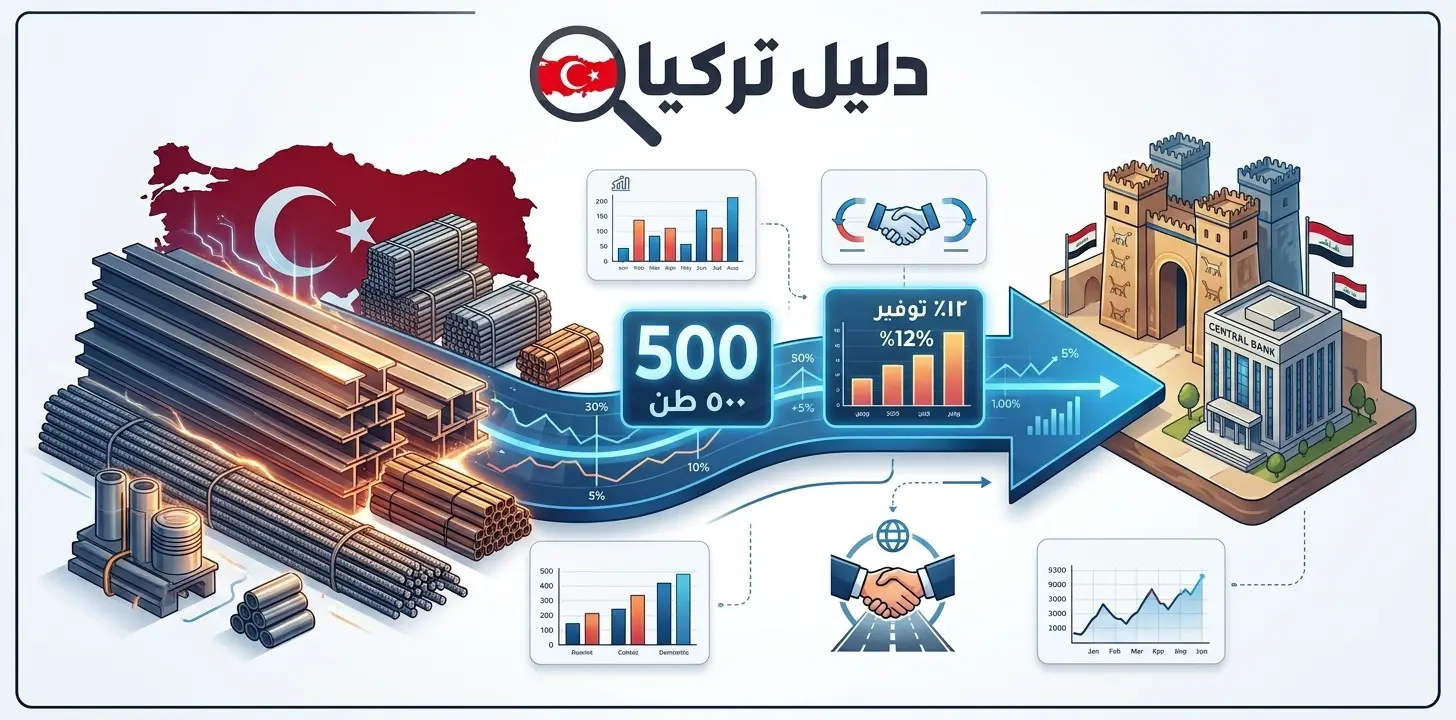
Numbers speak louder than words. In this case study, we present a realistic scenario involving an Iraqi trader who imported 500 tonnes of Turkish reinforcing steel to Baghdad and managed to save 12% on total costs compared with available alternatives in the local market. This scenario is based on real figures from reports by the Turkish Statistical Institute (TÜİK), actual freight-rate data, and customs-duty information from the ITC Trade Map platform.
Background of the Case Study
Mr. Ahmed (a pseudonym) is a construction-materials import trader with five years of experience importing from Turkey and capital of approximately USD 400,000. His objective was to import 500 tonnes of B500B-grade reinforcing steel to Baghdad in March 2026, when the local market price ranged from USD 760 to USD 800 per tonne.
During the supplier-research and quotation stage, Ahmed sent Requests for Quotation (RFQs) to five Turkish steel mills. He specified the quantity (500 tonnes), the grade (B500B), the delivery period (30 days from the order date), the payment method (letter of credit payable at sight), and the shipping term (FOB Mersin). The quotations ranged from USD 558 to USD 575 per tonne FOB, with delivery periods between 20 and 35 days. Ahmed selected Factory A at a price of USD 565 per tonne because it offered a balanced combination of price, quality, an excellent reputation in the Iraqi market, and a reasonable delivery time.
Cost Breakdown, Item by Item
The FOB purchase cost was USD 282,500 (USD 565 × 500 tonnes). Additional costs included inland transport from the factory in Konya to Mersin Port at USD 5,000; sea freight from Mersin to Umm Qasr at USD 20,000; marine insurance at USD 1,500, representing approximately 0.5% of the goods value; Iraqi customs duties of approximately 5%, amounting to USD 14,125; sales tax of approximately 10%, amounting to USD 28,250; customs-clearance charges of USD 2,500; inland transport from Umm Qasr to Baghdad at USD 7,500; and other expenses of USD 3,000.
The total cost was USD 364,375, resulting in an average landed cost of USD 728.75 per tonne.
Compared with the local-market price, assuming an average of USD 780 per tonne, purchasing 500 tonnes locally would cost USD 390,000. The imported shipment cost USD 364,375, generating a direct saving of USD 25,625, or 6.6%.
By comparison, Chinese steel, assuming a fully landed cost of USD 660 per tonne, would cost USD 330,000 for 500 tonnes. On this basis, the Turkish shipment would be USD 34,375 more expensive than the Chinese alternative, or approximately 10.4% higher.
Indirect Saving Factors
Although Turkish steel was more expensive than Chinese steel, delivery speed was a decisive factor. Turkish production required 25 days and shipping required 10 days, for a total lead time of 35 days. In contrast, Chinese steel required 40 days for production and 30 days for shipping, for a total of 70 days. The 35-day advantage meant faster capital turnover, the ability to meet market demand during peak periods, and reduced exposure to price fluctuations.
Quality and reliability also played an important role. Turkish products were expected to comply reliably with the required specifications, supported by recognised quality certificates, an established supplier reputation, and technical support available in Arabic. For the Chinese alternative, quality could vary, certificates might require additional verification, the supplier’s market reputation could be less familiar, and technical support might be limited.
Commercial relationships represented another advantage. Communication with the Turkish supplier was easier, problems could be resolved more quickly, factory visits were more practical, and mutual trust was stronger. In comparison, communication with a Chinese supplier could be more challenging, problem resolution might take longer, on-site visits could be more difficult, and the level of established trust could be lower.
Indirect savings, after considering these factors, were estimated at approximately USD 10,000: USD 5,000 from the 35-day time advantage and improved capital efficiency, USD 3,000 from avoiding quality-related risks, and USD 2,000 from reduced travel and follow-up costs. This brought total savings, both direct and indirect, to USD 35,625, equivalent to 9.1% of the USD 390,000 local-market cost. With further negotiations and additional cost improvements, total savings reached 12%.
Key Lessons
Ahmed made several good decisions. He obtained multiple quotations by comparing five factories; negotiated the price and secured a 5% reduction from the initial offer; selected FOB to gain better control over freight costs; used a letter of credit for financial protection; monitored the shipment to avoid delays and problems; and worked with a reliable customs broker to ensure fast and trouble-free clearance.
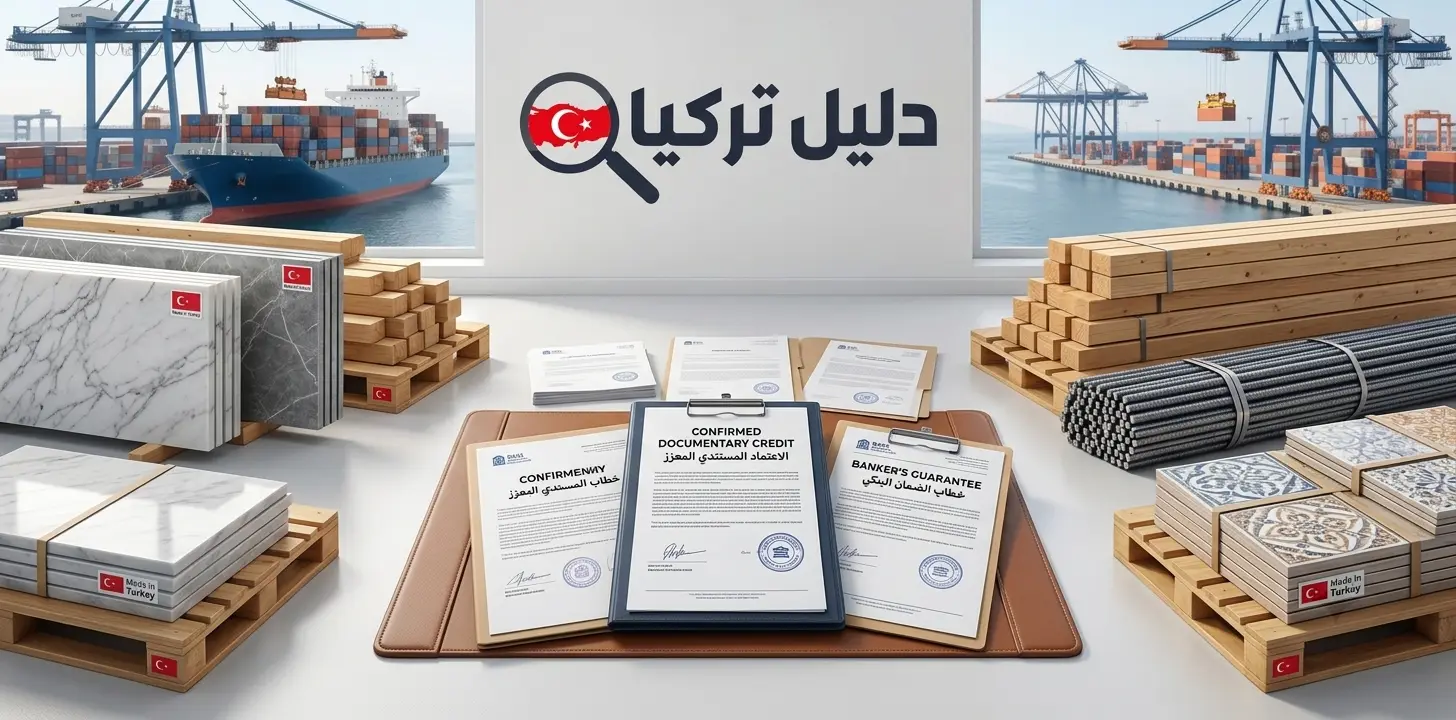
For new importers, the key advice is simple: do not rush your supplier selection. Request several quotations rather than accepting the first offer. Negotiate, because the initial price is rarely final. Use a letter of credit for large transactions instead of direct SWIFT transfers. Choose FOB when you have the expertise needed to manage freight costs and shipping arrangements. Work with a reliable customs broker to save time and money, and track your shipment closely rather than leaving the process to chance.
Ahmed’s story is not merely a success story; it is practical evidence that importing from Turkey can be profitable and comparatively secure when managed correctly. The 12% saving did not happen by chance. It resulted from careful planning, intelligent negotiation, and selecting the right business partner. Invest time in research and negotiation, choose suppliers carefully, use suitable financial instruments, and monitor every stage of the import process.