International Commercial Terms (Incoterms® 2020) Guide for Construction Materials Importers – When Should You Choose FOB or CIF? When you sign a contract to im…
International Commercial Terms (Incoterms® 2020) Guide for Construction Materials Importers – When Should You Choose FOB or CIF?
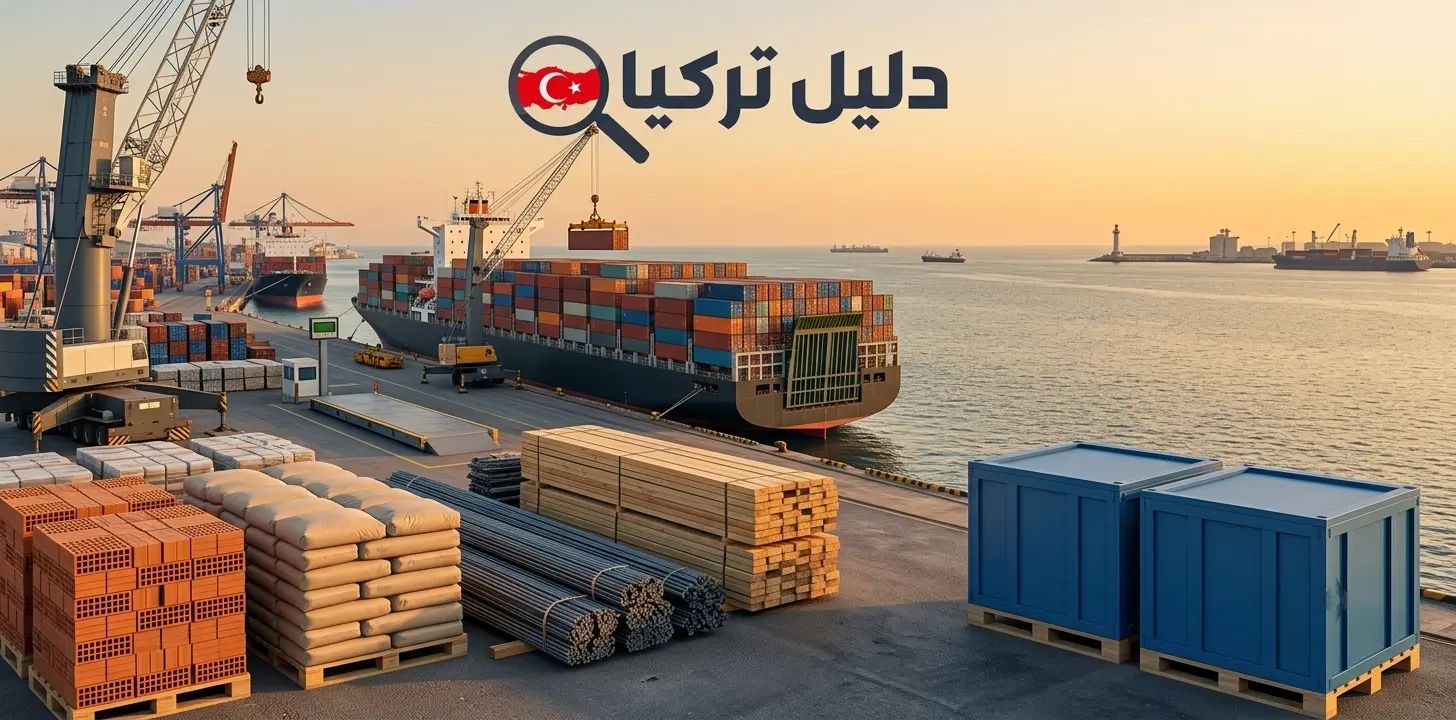
When you sign a contract to import 500 tonnes of steel from Turkey or purchase a container of marble, you will encounter a set of trade terms that determine who is responsible for what: Who arranges shipping? Who pays for insurance? When does the risk pass? Who bears potential losses?
These terms are the language of international trade and are known as Incoterms. The current official version, Incoterms® 2020, was issued by the International Chamber of Commerce (ICC). It includes 11 rules, but this guide focuses on the terms most commonly used in the construction materials trade.
Important note: Incoterms regulate the allocation of costs, responsibilities, and risks between the seller and buyer. They do not determine when legal ownership of the goods transfers; this should be specified separately in the sales contract.
Key Terms
EXW – Ex Works: The seller makes the goods available at its factory or premises, and the buyer is responsible for the rest. The seller’s responsibility is limited to preparing the goods at the agreed location, while the buyer handles all other matters, including collection, transport, export procedures, shipping, insurance, and import procedures. Risk transfers when the goods are made available to the buyer at the seller’s premises. This term is generally suitable only for experienced buyers. It offers the lowest price because the seller bears minimal costs and gives the buyer full control over the supply chain; however, it places significant responsibility on the buyer, requires logistics expertise, and involves higher risk.
FOB – Free On Board: The seller places the goods on board the vessel at the agreed port of shipment. The seller is responsible for transport to the port, export formalities, and loading the goods on board the vessel. The buyer is responsible for ocean freight, insurance, and import procedures. Risk transfers when the goods are on board the vessel. This term is suitable for importers with moderate experience because it allows them to control freight costs by choosing their shipping line, usually offers a lower price than CIF, and provides a clear point at which risk transfers. However, the buyer needs experience in selecting freight providers and bears the shipping and insurance risk after loading.
CIF – Cost, Insurance and Freight: The seller pays the cost of freight and insurance to the named destination port. The seller’s obligations include everything covered under FOB, plus ocean freight and cargo insurance. The buyer is responsible for import customs clearance and import-related charges. However, risk still transfers when the goods are loaded on board the vessel at the port of shipment, just as under FOB. CIF is often convenient for beginners because the freight-inclusive cost is known in advance and the seller arranges freight and insurance. Nevertheless, it may be more expensive, gives the buyer less control over the choice of shipping line, and the insurance required under CIF may provide only minimum coverage unless broader cover is agreed.
Other important terms include FCA, where the seller delivers the goods to the carrier and which is generally more suitable for containerised, air, or road shipments; CPT, where the seller pays for carriage to a specified destination and which is suitable for multimodal transport; CIP, which is similar to CPT but includes insurance and is suitable for high-value shipments; DAP, where the seller delivers the goods at the buyer’s named place without unloading or import clearance; DPU, where the seller delivers the goods unloaded at a named place; and DDP, where the seller assumes almost all responsibilities up to the buyer’s location, including import customs duties and taxes.
FOB vs. CIF for Construction Materials
Under FOB, the goods price is lower because it excludes freight and insurance. Under CIF, the price is higher because it includes freight and insurance to the destination port. Under FOB, the buyer arranges shipping and insurance; under CIF, the seller arranges and pays for them. Under FOB, the buyer chooses the shipping company; under CIF, the seller does. Calculating the full landed cost under FOB requires additional work, while CIF provides a freight-inclusive figure in advance. FOB offers the buyer greater control, while CIF offers more convenience. However, under both FOB and CIF, risk transfers to the buyer once the goods are loaded on board the vessel at the port of shipment.
Choose FOB when you have experience in international shipping, know how to select a reliable freight forwarder or shipping line, have established relationships that allow you to obtain better freight rates, want control over the shipping schedule, purchase large quantities that can benefit from economies of scale, or want greater control over shipping arrangements.
Choose CIF when you are new to importing and want to avoid the complexity of arranging freight, when the transaction is relatively small and freight-price differences are limited, when you want a quicker and simpler process, or when you prefer to know the freight-inclusive price in advance. However, you should still check the insurance scope, shipping schedule, destination charges, and the seller’s selected carrier.
Practical Applications for Construction Materials
For steel and iron in large quantities, FOB is often recommended because large-volume shipments can generate freight savings and allow greater control over shipping arrangements. For smaller quantities, CIF may be preferable for its simplicity and speed. For steel sheets, FOB can be useful when the buyer wants more control over packaging, handling, and shipping arrangements.
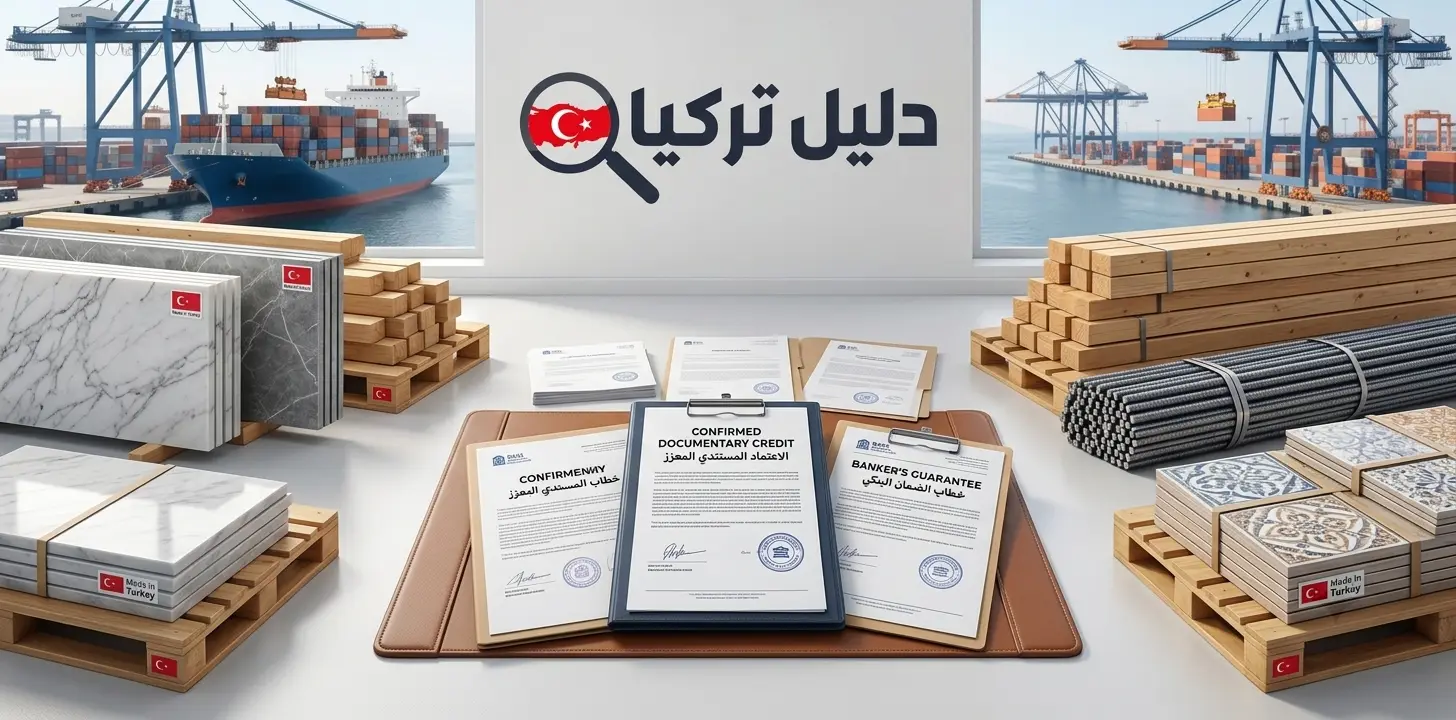
For marble and granite in large quantities, FOB is often recommended because packaging and handling are particularly important for fragile stone products. For smaller quantities, CIF may be easier to manage. For premium marble, FOB may be preferable when the buyer wants close control over packaging quality and shipping arrangements.
For ceramic tiles shipped in full containers, FOB may offer economies of scale. For less-than-container-load shipments, CIF may be convenient because the seller can arrange consolidation and freight.
For prefabricated houses, CIF may be appropriate because the goods are large and may require specialised shipping expertise. The buyer should nevertheless confirm the insurance coverage, unloading responsibilities, and destination-port charges.
Practical Tips for Choosing the Right Term
Before choosing an Incoterm, calculate the full landed cost and compare FOB and CIF quotations on a like-for-like basis. Assess your experience in international shipping, evaluate the supplier’s reliability, identify potential risks, and consult a freight forwarder or trade adviser where necessary.
Common mistakes include choosing CIF without comparing quotations and therefore paying more than necessary; choosing FOB without sufficient shipping experience and encountering freight-related problems; misunderstanding the point at which risk transfers and suffering unexpected losses; and failing to obtain adequate cargo insurance under FOB. The solution is to compare offers carefully, seek professional advice where needed, read each rule closely, and ensure that the insurance coverage is appropriate for the shipment’s value and risks.
Choosing the right Incoterm is a strategic decision that affects the cost of your transaction, the level of risk you assume, and the degree of control you have over the process. In the construction materials trade, FOB and CIF are among the most common options. Choose FOB if you are experienced, purchase large volumes, and want to control freight costs and logistics. Choose CIF if you are a beginner, value convenience, and are willing to pay an additional amount for the seller to arrange freight and insurance. The cheapest term is not always the best, and the most expensive term is not always the worst. The right decision depends on your circumstances, experience, shipment size, and ability to manage risk.