Financing Major Deals – How to Buy Construction Materials from Turkey Using Letters of Credit and Bank Guarantees When it comes to importing construction mater…
Financing Major Deals – How to Buy Construction Materials from Turkey Using Letters of Credit and Bank Guarantees
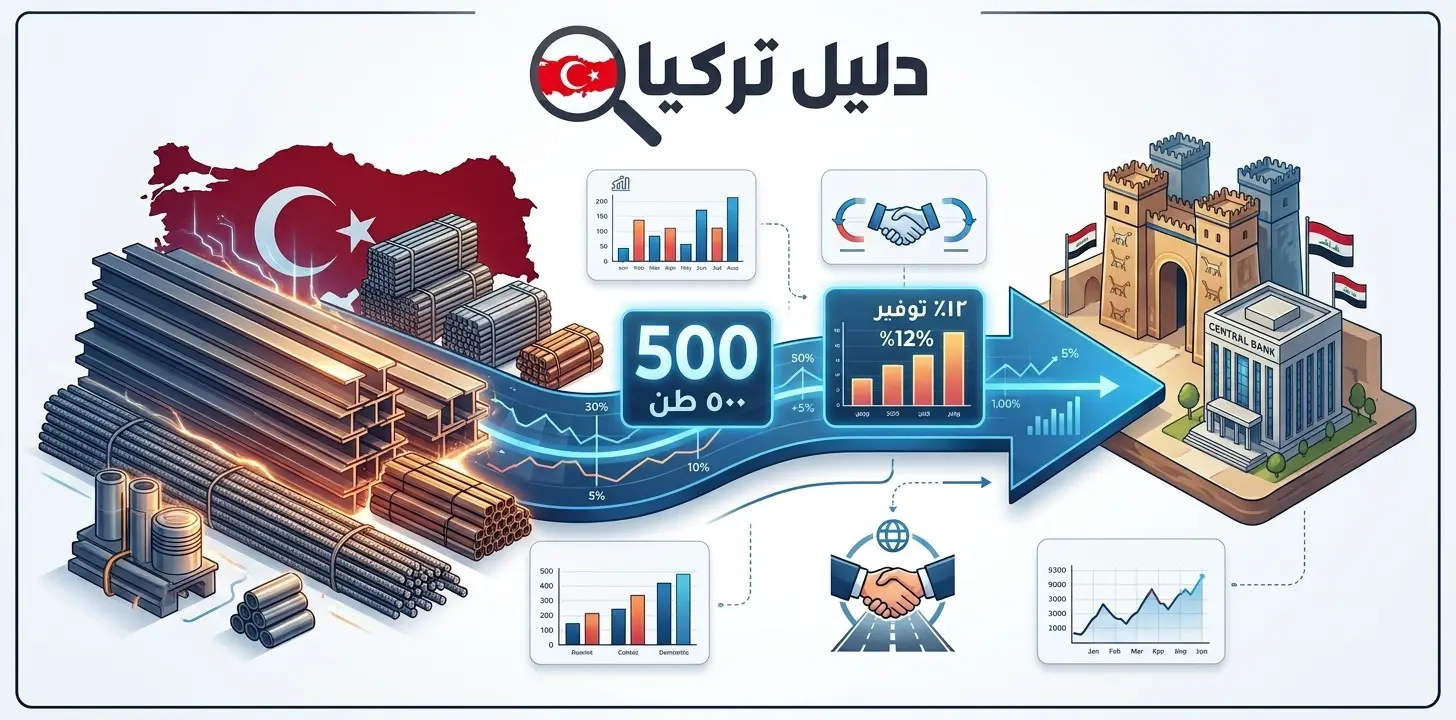
When it comes to importing construction materials, the amounts involved can be substantial. A single tonne of steel may cost USD 500 to USD 600, while a shipment of 500 tonnes can exceed USD 250,000. At this level of investment, trust alone is not enough. You need financial mechanisms that protect your funds and help ensure that you receive what you have paid for.
Advance payment through a direct bank transfer carries several risks. A supplier may disappear after receiving the money, delay shipment without a valid reason, send goods that do not match the agreement, deliver an incomplete quantity, provide materials that do not meet the required specifications, or become insolvent before shipment. These risks are particularly significant in the construction-materials trade because transactions are high in value, products such as marble and ceramic tiles may vary from one shipment to another, production periods can be long, and freight costs are high.
Letters of Credit: A Safer Solution
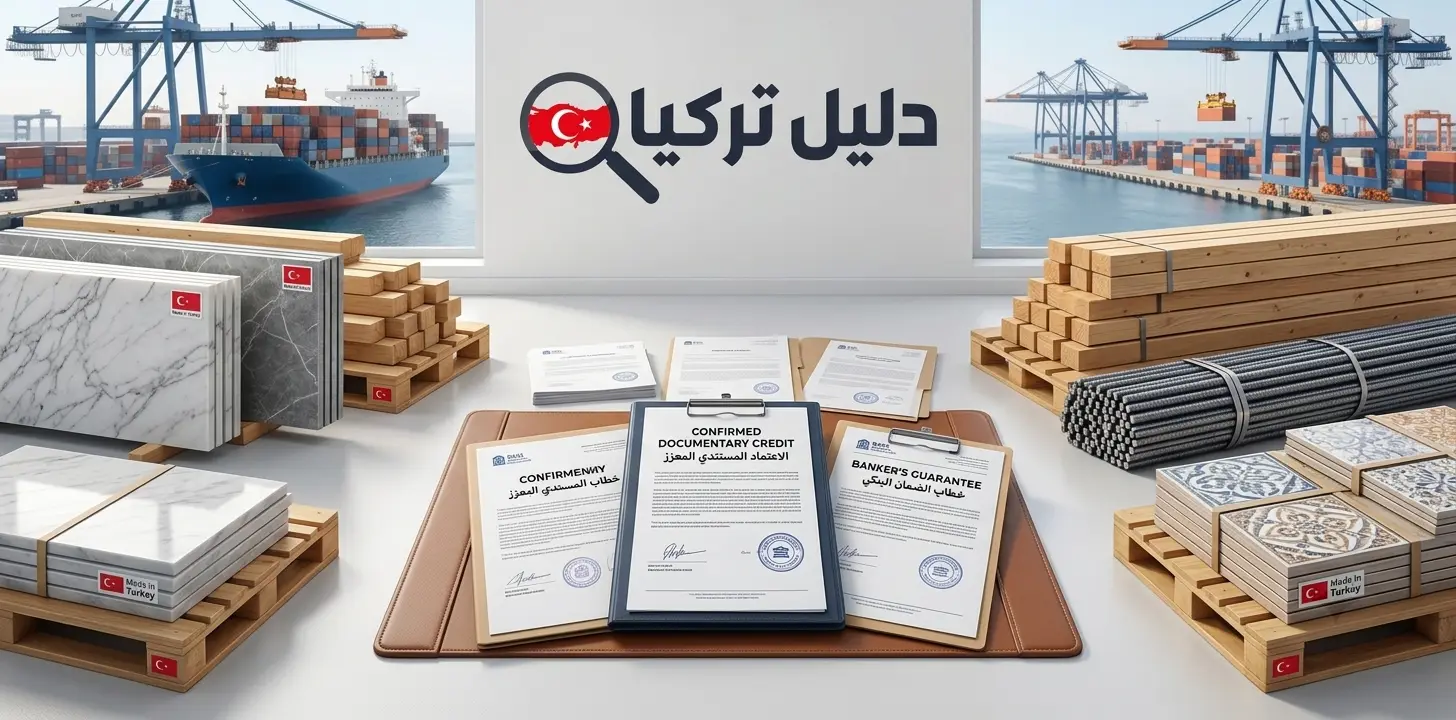
A Letter of Credit (LC) is a written undertaking by a bank to pay the exporter for the goods, provided that the exporter presents the specified documents demonstrating compliance with the LC terms. The main parties are the importer, or buyer, who asks their bank to issue the LC; the issuing bank, which is the importer’s bank and undertakes to make payment; the advising bank, which receives the LC and notifies the exporter; and the exporter, or seller, who ships the goods and submits the required documents.
The process generally works as follows: the importer and exporter agree on the LC terms; the importer applies to their bank to issue the LC; the issuing bank issues the LC and sends it to the exporter’s bank; the exporter’s bank notifies the exporter; the exporter ships the goods and submits the shipping documents to the bank; the bank checks the documents for compliance; payment is made to the exporter if the documents comply; and the documents are released to the importer so that the goods can be collected.
Common types of Letters of Credit include LC at Sight, where payment is made once compliant documents are presented and which is suitable for importers who want prompt delivery; 90-Day Usance LC, where payment is due after 90 days and which may suit importers requiring financing; 120-Day Usance LC, which may be appropriate for large transactions requiring a longer financing period; Transferable LC, which can be transferred to other suppliers and may suit trading intermediaries; and Back-to-Back LC, where one LC supports the issuance of another and which may suit intermediary trading transactions.
A Letter of Credit gives the importer greater security because payment is made only against compliant documents, as well as control over payment conditions, access to required shipping documents, and potential deferred-payment financing. It can also give the exporter payment assurance through the bank, potential access to financing, and greater confidence when dealing with new customers.
Important: Banks deal with documents, not the physical goods. A compliant set of documents does not by itself guarantee that the goods are of the correct quality or quantity. For higher-value shipments, buyers should consider an independent pre-shipment inspection, detailed technical specifications, and clear contractual remedies.
Bank Guarantees: Additional Protection
A Bank Guarantee is an undertaking by a bank to pay a specified amount to the beneficiary if the other party fails to meet its contractual obligations. In the construction-materials trade, common forms include a Bid Bond, which guarantees participation in a tender; a Performance Bond, which guarantees performance of the contract after winning a tender; a Quality or Performance Guarantee, which supports compliance with agreed quality standards; an Advance Payment Guarantee, which protects an advance payment made to a supplier; and a Maintenance Guarantee, which covers maintenance obligations after delivery, particularly in major projects.
Comparison of Payment Methods
Direct Bank Transfer (SWIFT): This method has relatively low cost, high speed, and high flexibility, but provides limited protection for either the buyer or seller. It is generally more suitable for established and trusted business relationships.
LC at Sight: This method provides a high level of documentary security, has moderate cost and processing time, and offers limited flexibility once issued. It provides structured protection for both buyer and seller and is commonly used for new business relationships.
Usance LC, such as a 90-Day LC: This method provides a high level of documentary security, moderate cost, and delayed payment terms. It offers limited flexibility but can be suitable for large transactions that require trade financing.
Bank Guarantee: A bank guarantee provides a high level of contractual protection, usually involves moderate costs and processing time, and has limited flexibility. It is commonly used in government tenders, construction projects, and transactions involving advance payments or performance obligations.
For a first transaction with a new supplier, an LC at Sight is often preferred. For repeat transactions with a trusted supplier, a SWIFT bank transfer may be practical. For a large deal that requires financing, a 90-day or 120-day Usance LC may be more suitable. For government projects, a combination of a bank guarantee and an LC is often appropriate. For intermediary traders, a Transferable LC may be useful. For purchasing from multiple suppliers, a Back-to-Back LC may be considered.
Practical Steps for Obtaining a Letter of Credit
Documents commonly required from the importer include an LC application form issued by the bank, a supply contract agreed with the exporter, a valid commercial registration, a valid tax card or tax registration certificate, bank statements demonstrating financial capability, and approvals from competent authorities where required.
Documents commonly required from the exporter under an LC include a commercial invoice, a Bill of Lading confirming shipment, a Packing List with packaging details, a Certificate of Origin confirming that the goods are of Turkish origin, an inspection certificate confirming quality or compliance, an insurance certificate where applicable, and any other documents required under the LC terms.
Tips for Avoiding Problems
Common mistakes in Letters of Credit include inaccurate documents, which can result in discrepancies and delayed or rejected payment; late document presentation, which can lead to rejection; goods that fail to match agreed specifications; an LC that cannot be amended easily; and misunderstanding technical terms. To reduce these risks, verify every document carefully, comply with all presentation deadlines, ensure that goods meet the stated specifications, make sure amendment procedures are clearly understood, and consult a qualified trade-finance expert before signing.
Read the LC carefully before approving it. Confirm all deadlines, including shipment dates, document-presentation periods, and the LC expiry date. Verify the required documents, consult specialists such as banks, customs brokers, and international trade advisers, and communicate clearly with the exporter to ensure that they understand and can comply with the LC requirements.
In the construction-materials trade, where transaction values are high and risks can be substantial, trust alone is not sufficient. Letters of Credit and Bank Guarantees are essential tools for protecting your funds and improving the likelihood of successful transactions. Use an LC for new and major deals, and use bank guarantees for government projects and transactions involving advance payments. Always make sure you understand every clause in these instruments before signing.